
When the mail arrives, is there one envelope you dread opening more than others? For many homeowners, it’s the utility bill—one of the most common utility bills that can disrupt your monthly budget. It often feels like a roll of the dice—some months are manageable, while others deliver a shocking total that throws your budget off balance. If this sounds familiar, you’re not alone.
Utility costs can fluctuate dramatically throughout the year, primarily due to seasonal weather changes. The sweltering heat of summer and the bitter cold of winter force our heating and cooling systems to work overtime, leading to significant spikes in energy consumption. These extreme temperatures are the main culprits behind those eye-watering bills.
The good news is that you have more control over your utility expenses and your utility bills than you might think. With a few strategic adjustments and some proactive maintenance, you can keep your home comfortable without breaking the bank. This guide will walk you through practical ways to lower your utility bills, focusing on the simple changes that make the biggest impact.
Why do my bills get so high in summer and winter?
Understanding why your bills surge during certain months is the first step toward managing them. The answer lies in how your home’s heating, ventilation, and air conditioning (HVAC) system responds to outside temperatures.
Summer energy spikes
During the summer, the sun beats down on your home, heating up the roof, walls, and windows. This heat transfers inside, raising the indoor temperature. To counteract this, your air conditioner kicks into high gear, working continuously to pump hot air out and cool air in. The bigger the difference between the outdoor and desired indoor temperature, the harder your AC unit has to work, and the more electricity it consumes. An inefficient or poorly maintained AC unit has to run even longer to achieve the same cooling effect, further driving up your costs.
Winter energy spikes
The same principle applies in winter, but in reverse. As outdoor temperatures drop, heat from inside your home naturally escapes through windows, doors, walls, and the roof. Your heating system must then run constantly to replace that lost heat and maintain a warm, comfortable temperature. If your home has poor insulation or air leaks, this heat loss happens much faster, forcing your furnace or heat pump to work even harder. This increased workload directly translates to higher gas or electricity bills.
In both seasons, your HVAC system is locked in a battle against the elements. The more you can do to support your system, the less energy it will need to consume.
Simple ways to reduce your utility bills
You don’t need to make drastic changes to see a significant reduction in your energy costs. These practical tips can help you save money every month.
1. Optimize your thermostat
Your thermostat is the command center for your home’s energy use. Using it wisely can lead to substantial savings.
- Find the right temperature: In the summer, set your thermostat to 78°F (26°C) when you’re home. In the winter, aim for 68°F (20°C). Every degree you adjust can save you up to 3% on your bill.
- Adjust when you’re away: When you leave the house or go to sleep, adjust the temperature by a few degrees. Lower it in the winter and raise it in the summer. This reduces the strain on your HVAC system when you don’t need it as much.
- Invest in a smart thermostat: A smart thermostat automates these adjustments for you. It can learn your schedule and preferences, automatically optimizing your home’s temperature for efficiency and comfort. Many models even allow you to control them remotely from your smartphone.
2. Seal air leaks
Air leaks are like tiny open windows that let your heated or cooled air escape. They are often found around doors, windows, electrical outlets, and plumbing penetrations.
- Do a quick inspection: On a windy day, walk around your home and feel for drafts. You can also use a candle or incense stick; if the flame or smoke flickers, you’ve found a leak.
- Use caulk and weatherstripping: Seal gaps around windows and stationary door frames with caulk. For moving parts like doors and operable windows, apply weatherstripping. These are inexpensive, easy-to-install solutions that can save you up to 20% on your heating and cooling costs.
3. Improve your insulation
Insulation acts as a barrier, slowing the transfer of heat between your home and the outdoors. Without proper insulation, your HVAC system has to work much harder.
- Check your attic: The attic is one of the most significant sources of heat loss and gain. Check the depth of your insulation. If you can see the floor joists, you probably need more.
- Insulate walls and crawl spaces: While a bigger project, adding insulation to walls and crawl spaces can provide long-term savings and improve overall comfort.
4. Harness the power of windows
Your windows can be a source of both heat gain and loss, but you can use them to your advantage.
- Use curtains and blinds: During hot summer days, close curtains and blinds on sun-facing windows to block solar heat. In the winter, do the opposite: open them up to let the sunlight in and naturally warm your home.
- Consider window film: Applying an insulating film to your windows can reflect solar heat in the summer and retain indoor heat in the winter, making it a cost-effective alternative to window replacement.
5. Be smart with appliances and lighting
Your HVAC system isn’t the only thing that consumes energy. Your appliances and lighting contribute to your bill, too.
- Switch to LED bulbs: LED bulbs use at least 75% less energy and last 25 times longer than incandescent bulbs.
- Unplug electronics: Many electronics, known as “energy vampires,” continue to draw power even when turned off. Unplug them or use a power strip to easily cut them off when not in use.
- Run full loads: Only run your dishwasher and washing machine when they are full. Use cold water for laundry whenever possible to save on water heating costs.
6. Schedule professional HVAC maintenance
Perhaps the most crucial step you can take is to ensure your HVAC system is in top condition. A poorly maintained system is an inefficient one.
- Change your filters: Clogged air filters restrict airflow, forcing your system to work harder. Check your filters monthly and replace them at least every three months.
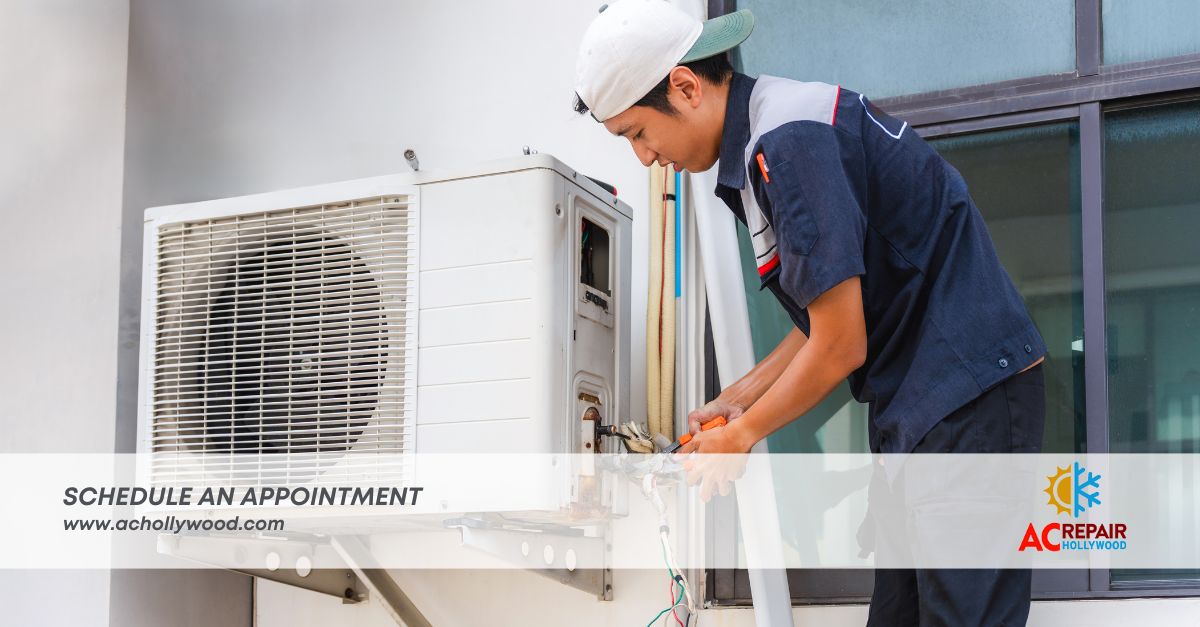
- Book an annual tune-up: A professional technician can perform a comprehensive inspection and cleaning of your system. They can identify potential issues, lubricate moving parts, check refrigerant levels, and ensure everything is running at peak efficiency. This preventative maintenance not only saves you money on your monthly bills but can also help you avoid costly emergency repairs down the line.
Take control of your home’s comfort
Lowering your utility bills doesn’t require a complete lifestyle overhaul. By making small, intentional changes and staying on top of regular maintenance, you can create a more energy-efficient home and enjoy significant savings throughout the year.
If you suspect your HVAC system isn’t performing as it should, don’t wait for a breakdown. The experienced and reliable technicians at AC Repair Hollywood can thoroughly inspect your home’s heating and cooling system to identify and fix any issues. A professional tune-up is an investment in your home’s comfort and your financial peace of mind.